
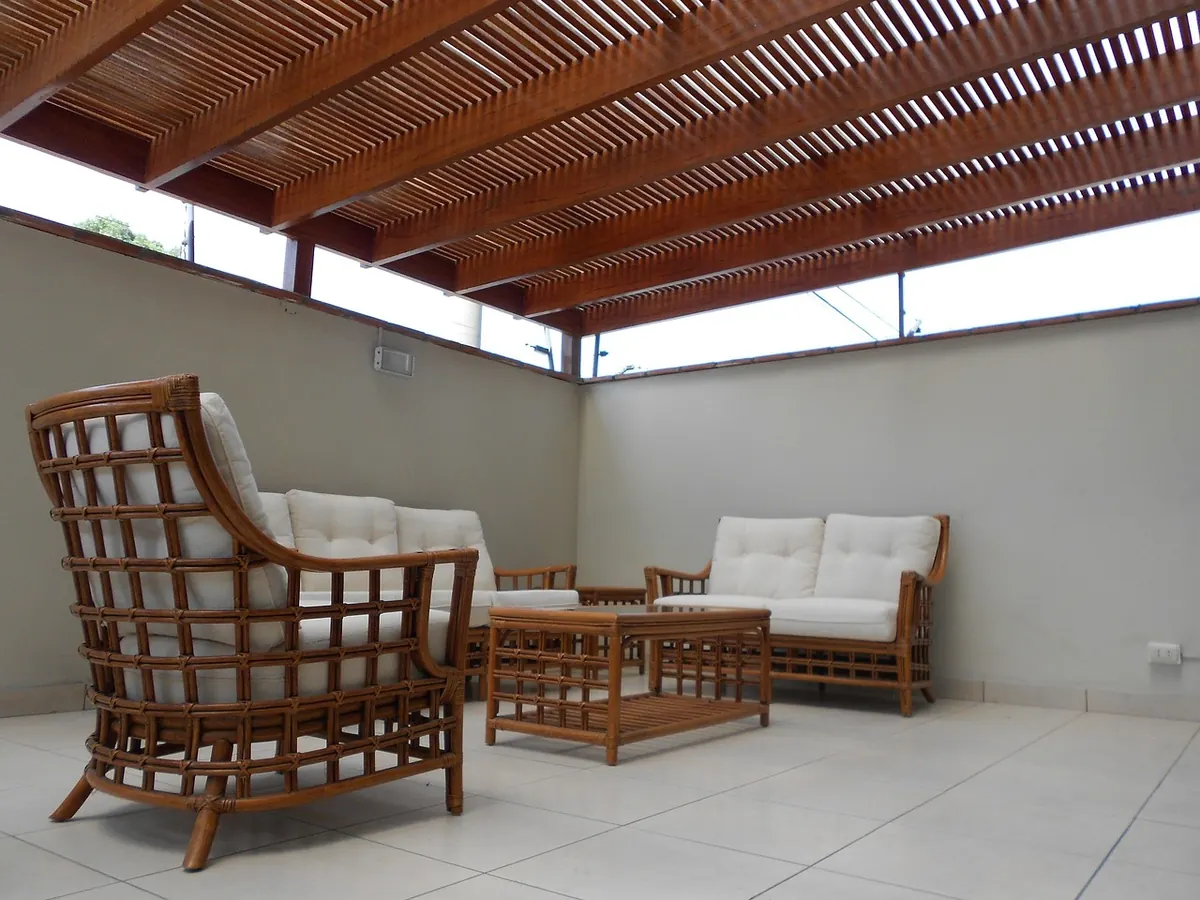
Devon is generous to gardeners and hard on timber. Between the Atlantic rain, salt in the air along the coast, and winters mild enough that nothing ever quite dries out, outdoor furniture here lives somewhere between damp and soaking. Moss moves in. Joints swell. End grain drinks water like a wick.
The good news is that choosing the right species does most of the hard work for you. Get it right and a bench or table will still be sound in ten years. Get it wrong and you'll be rebuilding it in three. Here's how the four timbers you can actually buy in Devon compare.
What Devon weather actually does to timber
Rot needs moisture and mild warmth, and Devon supplies both for most of the year. Untreated softwood left outside here fails faster than the same board would in a drier county.
The mechanism is simple. Water sits in the end grain and in every joint, fungi get a foothold, and the timber softens from the inside. UV breaks down the surface, small cracks open, and more water gets in. That wet-dry-wet cycle is what kills outdoor furniture, not the rain on its own.
Which means the species matters less than the detailing. A cedar bench built with gaps for drainage, stainless fixings and feet that never sit in soil will outlast an oak one that traps water in its joints.
Oak: heavy, tough, and worth the effort
European oak has dense, hard heartwood that resists decay well. The pale sapwood around the outside of a board does not, so for outdoor work ask for all-heart stock or accept that the edges will go first.
Oak is heavy — a two-seat bench is a two-person lift — and it moves more than the other timbers here, which is why wide, unsupported slats cup and check as the seasons swing. Design around it: narrow boards, gaps between them, and a frame that holds everything flat.
One hard rule: keep iron away from oak. Tannins in the timber react with steel fixings, leaving black stains around every screw and corroding the fixing itself. Use stainless steel or hot-dip galvanised throughout.
Teak: the benchmark, with a price to match
Teak has earned its reputation. It is naturally durable, unusually stable, and dense with oils that shrug off damp — which is why so much old garden furniture still standing is teak. Left bare, it weathers to a soft silver-grey that suits almost any planting.
It is also, by a wide margin, the most expensive of the four. If the budget stretches only to a teak table top on pressure-treated legs, that's a sensible compromise: the top takes the weather and the wear.
Ask where it came from, and look for certified stock. The real decision is the finish. Oiling keeps the honey colour but commits you to re-oiling every few months for as long as you own the piece. Most people, in the end, let it grey.
Cedar: the quiet, sensible middle path
Western red cedar is a softwood that behaves like a hardwood outdoors. It is naturally resistant to rot, remarkably stable for its weight, and light enough that a cedar bench is genuinely movable. It works beautifully by hand and holds up well as seating or a swing seat.
The trade-off is softness. Cedar dents and scratches far more easily than oak or teak, so it's a poor choice for a table top in daily use — a child with a toy tractor will leave permanent evidence.
Ask for Western red cedar by name. "Cedar" at a builders' merchant sometimes means a hedging conifer that is nowhere near as durable.
Pressure-treated timber: the budget workhorse
Most garden timber in the UK is softwood — pine or spruce — impregnated under pressure with a copper-based preservative. Because the treatment goes into the timber rather than sitting on the surface, the wood keeps working after the surface greys and checks. It's cheap, widely available, and perfectly capable of lasting years outdoors.
It is also soft, knotty and prone to moving. Boards often arrive wet, and wet boards twist and split as they dry. That's a reason to buy the straightest, driest stock you can find, stack it under cover for a week or two, and cut it only once it has settled.
- Check the use class on the label. Class 4 is rated for ground contact and is what you want for anything touching soil; class 3 is fine for furniture that stays above it.
- Brush end-grain preservative onto every cut. Sawing exposes untreated timber.
- Pre-drill near ends and edges, keep blades sharp, and wear gloves and a dust mask when machining. The preservative is safe in service, but you don't want the dust in your lungs.
The four compared
- Weather resistance: teak first; oak and cedar close behind; pressure-treated depends on use class and detailing.
- Cost: pressure-treated cheapest, then cedar, then oak, with teak a long way out in front.
- Weight and stability: cedar lightest and stable; teak heavy and stable; oak heaviest and most prone to movement; treated softwood light but the least stable of the four.
- Looks over time: all of them grey if left bare. Oak and teak grey handsomely, cedar fades to a warm buff-grey, treated pine greys unevenly and shows every knot.
Finishing and fixings: where outdoor furniture fails
- Design the water out. Slats with gaps, a seat that slopes slightly back, no ledges where water pools, feet on paving or gravel rather than soil.
- Use stainless steel or hot-dip galvanised fixings. Plated screws rust and stain oak within a season, and the joint loosens as the shank corrodes.
- Protect the end grain. It absorbs water far faster than the face, so a wipe of oil on every cut makes a real difference.
- Choose a breathable finish. Oils soak in and let the wood dry from within. Varnish sits on the surface, cracks under UV, then traps water against the grain. If you want colour, a pigmented oil is far more forgiving than a film finish.
- Re-coat little and often. A twenty-minute wipe of oil on a dry spring day buys another year. A scrub with warm soapy water and a soft brush deals with green algae before it takes hold.
Matching the wood to the piece
None of these four is the wrong answer — they are just suited to different jobs. Teak for a dining table you want to pass on. Oak for heavy benches and anything that should feel permanent, with stainless fixings throughout. Cedar for chairs, planters and furniture you'll want to move. Pressure-treated softwood for structures, cold frames and first projects.
Then spend your remaining attention on joints, drainage and fixings. In a county that gets this much rain, good detailing adds more years to a piece than an upgrade in species ever will. And if you're building for a coastal garden, say so from the start: salt spray and constant damp ask more of timber than an inland site, and one oiling a year is far cheaper than a new bench.
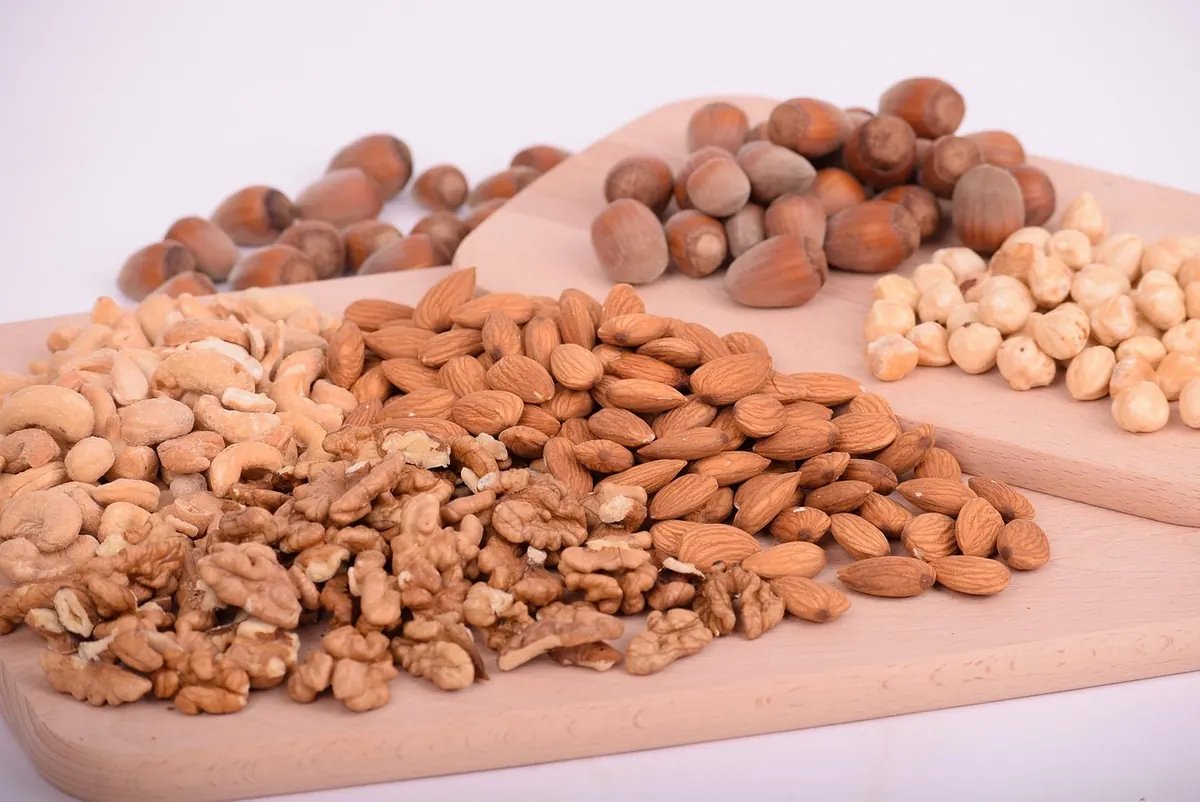
Photo: informes / Pixabay
Related posts
More stories you’ll love reading